 우선 입장 가능
 Queluz 궁전 방문 최적기
Palácio Nacional de Queluz 방문을 좌우하는 관람객 혼잡도, 채광, 정원 색채, 승마 공연 일정에 대한 월별 가이드입니다.
Queluz는 리스본과 신트라 사이 평탄한 평야에 위치해 있어, 서쪽으로 15킬로미터 떨어진 안개 낀 Serra de Sintra 능선보다 온화하고 안정적인 기후를 보입니다. 산 위의 Pena 궁전과 비교할 때 Queluz는 더 따뜻하고 건조하며 계획을 세우기에 훨씬 수월합니다 — 그러나 방문객 흐름은 세 가지 별도의 리듬에 의해 형성됩니다: 리스본 당일 관광 버스 일정, Picadeiro Henrique Calado에서 진행되는 포르투갈 승마 예술 학교의 수요일 및 여름철 일요일 공연, 그리고 Jean-Baptiste Robillion이 설계한 정형 회양목과 감귤나무 정원의 계절별 개화입니다. 본 가이드는 월별 달력, 주간 패턴, Parques de Sintra – Monte da Lua가 공지하는 계절별 운영 시간, 그리고 여러분의 방문이 한적한 로코코 오후가 될지 왕좌실을 서둘러 지나치는 관광 버스 행렬이 될지를 결정하는 채광과 정원 조건을 상세히 분석합니다.
Queluz 기후가 신트라 및 리스본과 다른 점
Queluz는 리스본 중심부에서 서쪽으로 약 15킬로미터 떨어진 Tagus 분지의 평지에 자리하고 있으며, 배후로 솟아오른 Serra de Sintra 능선보다 훨씬 낮은 곳에 위치합니다. 이러한 지형적 특성으로 인해 Queluz는 신트라가 아닌 리스본의 기후 패턴을 따르게 됩니다. Pena 궁전이 겨울철 내내 안개에 휩싸일 때에도, Queluz는 일반적으로 동쪽 수 킬로미터 거리의 리스본과 같은 맑거나 부분적으로 흐린 하늘을 보여줍니다. 여름 오후는 따뜻하며, 분지 지형이 열기를 머금고 있어 리스본 중심부보다 2~3도 높은 경우가 많습니다. 겨울 아침은 춥기보다는 온화한 편입니다. 강수량은 11월부터 2월 사이에 집중되며, 여름은 건조하고 화창합니다. 방문객 여러분께는 이것이 무엇을 의미하는지 말씀드리겠습니다. 정형 정원을 배경으로 한 분홍빛 장밋빛 파사드의 궁전 외관은 Pena보다 훨씬 더 긴 기간 동안 안정적으로 촬영이 가능하며, 정원은 겨울에도 산책하기에 쾌적합니다.
신트라와의 계절적 대비는 여러 명소를 묶어 방문하는 일정을 계획할 때 중요한 고려사항입니다. 아침에 Pena 방문이 산악 안개로 인해 취소되거나 무산되더라도, 귀로에 들르는 Queluz는 거의 확실하게 여전히 맑은 날씨일 것입니다. 오후 Sintra National Palace 방문 일정이 길어져 Queluz를 생략하게 된다면, 여러분은 일정 중 가장 고요하고 접근하기 편한 명소를 놓치게 되는 셈입니다. 반대 논리도 똑같이 유용합니다. 신트라 언덕 오르기가 힘들 정도로 무더운 7월의 어느 날은 Queluz에는 이상적인 조건을 선사합니다. 정원에는 그늘진 회양목 산책로가 있고, 로코코 양식의 실내는 오후 내내 시원함을 유지하기 때문입니다. Queluz를 날씨에 강한 기준점으로 일정에 포함시키면, 아침 기상 상황을 기차에서 확인한 후 신트라 구성 요소들을 유연하게 조정할 수 있습니다.
월별 안내: 연중 기대할 수 있는 날씨와 분위기
1월과 2월은 Queluz에서 가장 한적한 달입니다. 방문객 수가 급격히 감소하고, 로코코 양식의 실내는 부드러운 겨울 햇살 아래에서 가장 아름다운 모습을 보여주며, 정원은 꽃이 없지만 최근 다듬어진 회양목 생울타리 덕분에 기본 기하학적 구조가 명확하게 드러납니다. 3월은 개화기로의 전환을 알립니다. 인근 신트라에서 동백꽃이 피어나고 Queluz 감귤나무 안뜰이 꽃을 피우기 시작하며, 평일 방문객 수는 여전히 차분합니다. 4월부터 6월까지는 날씨, 정원 색채, 승마 공연이 가장 조화롭게 어우러지는 기간입니다. 늦봄에는 장미, 자스민, 감귤나무 꽃이 화단을 따라 만개하며, 수요일 야외 공연은 날씨로 인한 취소 없이 안정적으로 진행됩니다. 6월부터는 여름철 일요일에 주 2회 공연이 추가됩니다.
7월과 8월은 가장 붐비는 달입니다. 리스본 당일 여행 관광버스가 오전 중반에 꾸준히 도착하며, 정문 매표소 대기열은 대략 11시부터 1시 사이에 30분까지 길어질 수 있고, 주말 티켓 수요는 더욱 집중됩니다. 그러나 Queluz는 여전히 Pena의 혼잡도에는 결코 미치지 않습니다. 9월은 가장 강력한 비수기 성수기입니다. 따뜻하고 건조하며, 정원은 여전히 색채를 유지하고, 월 중순부터 관광버스 교통량이 현저히 감소합니다. 10월과 11월은 긴 왕좌의 방 거울들을 가로지르는 낮은 오후 햇살과 함께 조용히 사진에 담기 좋은 시기이며, 12월은 비수기 조건으로 돌아갑니다. 궁전은 운영사의 공식 일정에 따라 12월 25일과 1월 1일에만 휴관하며, 12월 24일과 31일에는 운영 시간이 단축될 수 있으니 당일 확인하시기 바랍니다.
주간 리듬: 공연일과 한적한 날
Queluz는 대부분의 왕궁보다 뚜렷한 주간 리듬을 보입니다. 이는 Portuguese School of Equestrian Art가 궁전 부지 내 Picadeiro Henrique Calado에서 정해진 일정에 따라 공연을 진행하기 때문입니다. 수요일은 연중 오래 지속되어 온 공연일이며, 여름 시즌 일요일은 대략 6월부터 9월까지 두 번째 공연 시간을 추가합니다. 공연일에는 궁전과 정원 자체가 이른 아침에 더 한적하다가, 티켓을 소지한 관람객들이 도착하여 공연 전후로 궁전을 둘러보면서 오전 후반 공연 시간대에 방문객 밀도가 급격히 높아집니다. 경기장 자체는 궁전 동쪽 측면에 위치해 있어, 관객 이동이 모든 방에 분산되기보다는 특정 구역에 집중됩니다.
한적한 궁전 내부가 우선순위라면, 화요일, 목요일, 금요일 오전이 가장 고요한 시간대입니다. 승마 체험이 우선순위라면, 수요일이 확실한 선택이며 여름철 일요일이 대안입니다. 월요일은 많은 국립 박물관과 달리 Queluz의 휴관일이 아니므로, 평범한 주중 날로 기능합니다. 다만 리스본 지역의 일부 문화 명소가 월요일에 휴관하면서 소수의 당일 여행객이 신트라와 Queluz로 재분배되는 효과가 있습니다. 여행 날짜를 확정하기 전에 항상 Parques de Sintra 웹사이트에서 해당 주의 승마 공연 일정을 확인하시기 바랍니다. 겨울철 공연은 날씨에 따라 Sala dos Embaixadores 실내로 이동할 수 있으며, 이는 관객 수용 인원에 영향을 미칩니다.
하루 중 빛과 촬영에 적합한 시간대
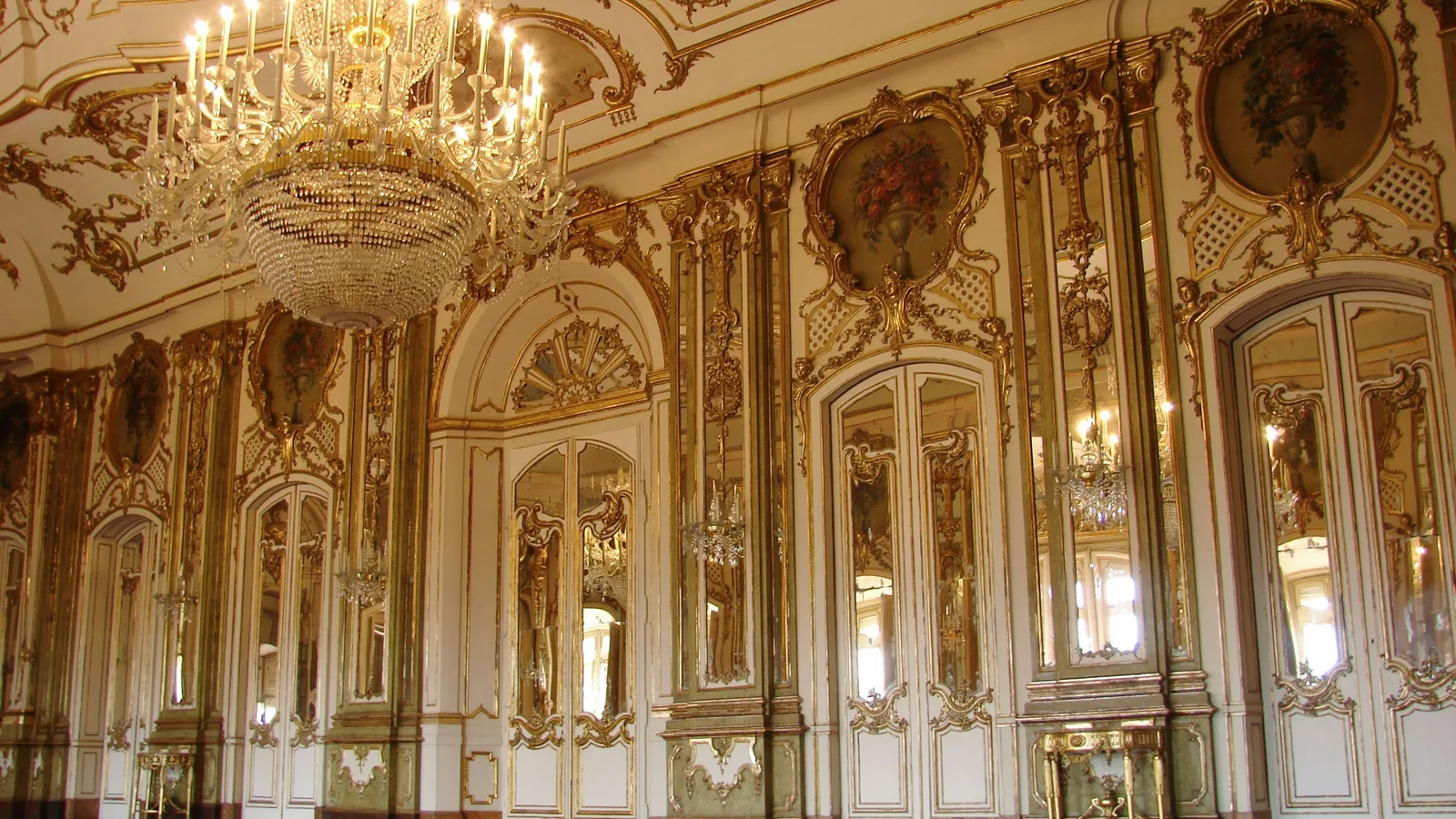
Queluz의 동향 주 파사드와 동쪽에 위치한 긴 왕좌의 방 창문들은 오전 햇살이 실내의 가장 큰 자산임을 의미합니다. 대략 9시 30분부터 11시 사이에 왕좌의 방의 금박 조각, 거울 벽, 채색 천장은 높은 창문을 통해 걸러진 따뜻한 직사광선에 잠기며, Hall of Ambassadors는 색채를 선명하게 유지합니다. Music Room과 더 작은 Don Quixote 침실—돔 형태의 방으로, Pedro IV 왕이 1798년에 태어나고 1834년에 세상을 떠난 곳이며, Cervantes의 Don Quixote 장면들로 채색되어 있습니다—은 서쪽에 위치해 있어 해가 이동하는 오후 초반에 촬영하기 더 좋습니다.
궁전 외부의 정원은 실내와는 대조적인 구성을 보여줍니다. 화단, John Cheere 공방에서 제작된 납 신화 조각상들, 그리고 동쪽 정원 축을 따라 펼쳐진 긴 타일 운하는 늦은 오후 서쪽에서 빛이 회양목 생울타리를 스치듯 비출 때 가장 아름답게 촬영됩니다. 일몰 약 한 시간 전의 골든아워는 파사드에 가장 따뜻한 핑크빛 톤을 선사하며 화단의 기하학적 구조에 깊은 그림자 대비를 만들어냅니다. 궁전 부지 상공에서의 드론 촬영은 금지되어 있습니다. 실내에서는 삼각대, 모노포드 및 전문 비디오 장비 사용이 제한되오니 방문 당일 입구 안내 표지를 확인하시기 바랍니다. 궁전과 정원 전역에서 플래시를 사용하지 않는 개인 핸드헬드 촬영은 허용됩니다.
궁전과 승마 공연 관람을 함께 즐기는 방법
궁전과 Portuguese School of Equestrian Art 공연을 같은 날 관람하시려는 경우, 일반적인 방문 패턴은 개장 시간에 도착하여 관람객이 적은 처음 90분 동안 궁전 실내를 둘러보신 후, Picadeiro Henrique Calado에서 오전 늦은 시간에 열리는 공연을 관람하시고, 오후 시간 동안 정원을 산책하시는 것입니다. 더운 여름 오후에는 정원이 이른 시간에 가장 쾌적하므로 반대 순서로 정원, 공연, 실내 순으로 관람하셔도 좋습니다. 두 가지 방법 모두 궁전만 관람하는 2시간 일정이 아닌 총 약 4시간의 현장 체류 시간이 필요합니다.
승마 공연 티켓과 궁전 입장권은 Parques de Sintra에서 별도로 판매되며, 공연 일정이 매주 변동되고 운영사가 공연 배정을 직접 관리하므로 저희 표준 컨시어지 상품에는 포함되어 있지 않습니다. 고객님의 여행 일정에 맞춰 저희 컨시어지 팀이 두 상품을 함께 조율해 드리기를 원하시면, 예약 시 확인 이메일로 회신해 주시면 통합 예약에 대한 견적을 안내해 드리겠습니다. 겨울 공연은 날씨에 따라 Sala dos Embaixadores 실내로 이동될 수 있으며 이 경우 관람 정원이 제한되오니, 12월부터 2월까지 방문 예정이신 경우 미리 확인하시기 바랍니다.
자주 묻는 질문
Queluz Palace를 방문하기에 가장 좋은 달은 언제인가요?
5월과 9월이 온화한 날씨, 정원의 만개, 쾌적한 관람 인원의 가장 이상적인 조합을 선사합니다. 4월과 6월도 근접한 좋은 시기이며, 화단을 따라 감귤과 장미가 꽃을 피우는 추가적인 즐거움을 누리실 수 있습니다.
Queluz Palace는 월요일에 휴관하나요?
아니요. Queluz는 매일 운영되며, 공식적으로 공지된 연간 휴관일은 12월 25일과 1월 1일뿐입니다. 12월 24일과 31일은 운영 시간이 단축될 수 있으니 방문 당일 아침 Parques de Sintra 웹사이트에서 확인하시기 바랍니다.
겨울에도 정원 관람이 가치가 있나요?
네, 현실적인 기대를 가지신다면 충분히 가치가 있습니다. 겨울에는 화단의 꽃이 없어지지만 그 아래 회양목 생울타리의 기하학적 구조가 드러나며, 납 조각상들이 정돈된 녹지를 배경으로 선명하게 돋보이고, 긴 축 운하가 낮은 조명 아래 아름답게 촬영됩니다. 가벼운 재킷을 준비하시기 바랍니다. 정원은 리스본보다 더 쌀쌀하게 느껴집니다.
승마 공연은 언제 진행됩니까?
연중 수요일이 전통적인 공연 일정이며, 대략 6월부터 9월까지 여름 시즌에는 일요일 공연이 추가됩니다. 여행 일정을 확정하시기 전에 Parques de Sintra를 통해 해당 주의 프로그램을 직접 확인하시기 바랍니다. 매년 일정이 소폭 변경될 수 있습니다.
Queluz 궁전은 주말과 평일 중 언제 더 붐빕니까?
주말, 특히 토요일이 가장 붐빕니다. 화요일, 목요일, 금요일 오전이 가장 한적한 시간대입니다. 수요일은 승마 공연 시간대에 집중적으로 붐비지만, 이른 아침과 늦은 오후에는 한적합니다.
성수기 여름철에는 얼마나 일찍 도착해야 합니까?
개장 시간에 맞춰 도착하시기를 권장합니다. 7월과 8월, 대략 11시에서 1시 사이에는 리스본 당일 관광 버스들이 도착하면서 정문 매표소에 30분가량 대기 줄이 생길 수 있습니다. 궁전 내부는 혼잡하지 않으나, 주말 오전 입장 시 병목 현상은 실제로 발생합니다.
내부와 정원 중 어느 쪽이 우선입니까?
두 곳 모두 필수입니다. Queluz 궁전은 정원을 건너뛰고 방문했다고 할 수 없는 곳입니다. 내부 관람에는 약 45분이 소요되며, 정원은 보통 걸음으로 30분에서 45분이 추가로 필요합니다. 총 2시간이 현실적인 최소 소요 시간입니다.
Queluz 궁전은 국가 행사로 인해 휴관합니까?
궁전은 간혹 국가 행사를 개최하여 해당 날짜에 일반 관람이 제한되지만, 이러한 휴관은 드물며 사전에 공지됩니다. 포르투갈 국경일이나 국빈 방문 기간에 여행 일정이 겹치신다면 Parques de Sintra를 통해 확인하시기 바랍니다.
Sintra와 비교했을 때 날씨는 어떻습니까?
Queluz는 서쪽으로 15킬로미터 떨어진 Sintra 능선보다 일관되게 더 따뜻하고 건조하며 맑은 날씨를 보입니다. Pena Palace에서 안개 낀 아침이라면 Queluz에서는 완벽하게 맑은 아침을 맞이하실 수 있습니다. 여러 명소를 한 번에 둘러보시는 일정에서 날씨에 구애받지 않는 핵심 방문지로 Queluz를 계획하시기 바랍니다.
사진 촬영 조건이 가장 좋은 달은 언제입니까?
5월, 6월, 9월, 10월은 따뜻한 빛, 정원의 색채, 낮은 관광객 밀도가 조화를 이룹니다. 7월은 실내 촬영에 이상적인 구름 없는 날씨를 선사합니다. 11월과 12월은 부드러운 낮은 광선이 Throne Room과 Music Room 내부의 로코코 금장식을 더욱 돋보이게 합니다.